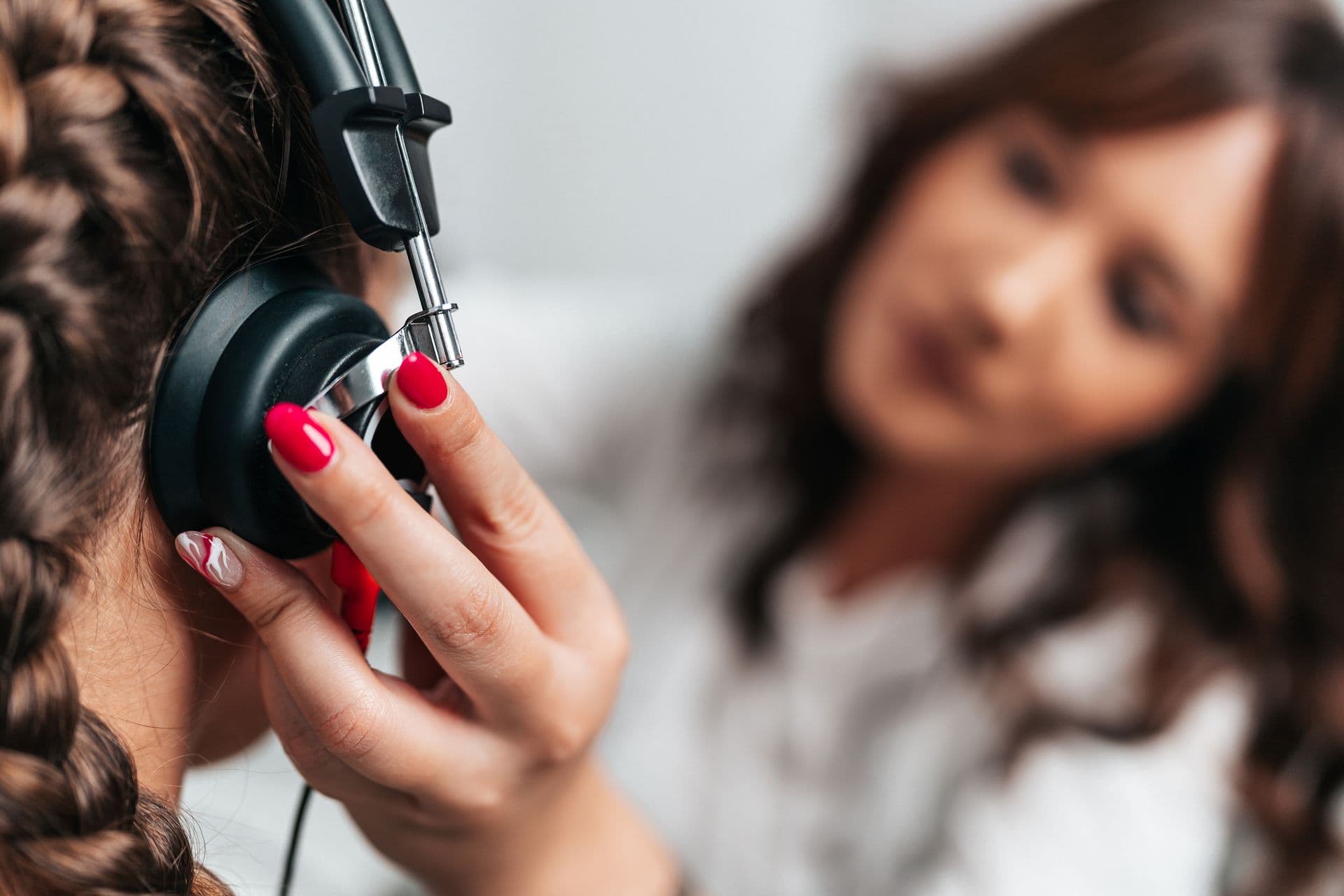
Hearing loss often develops slowly, and many people don't notice it until it starts affecting conversations, confidence, or daily enjoyment. A comprehensive hearing assessment gives you a clear picture of your hearing health and helps prevent small issues from becoming major frustrations.
Why a hearing test matters
Detect hearing changes early and prevent communication breakdowns.
Understand your hearing thresholds in different environments.
Receive personalized recommendations, not one-size-fits-all advice.
What to expect during your appointment
Your 60 to 90 minute visit includes a detailed history review, advanced sound and speech testing, and a one-on-one consultation with your audiologist. You'll leave with a full explanation of your results and practical next steps to improve or protect your hearing.
Request Your Appointment Today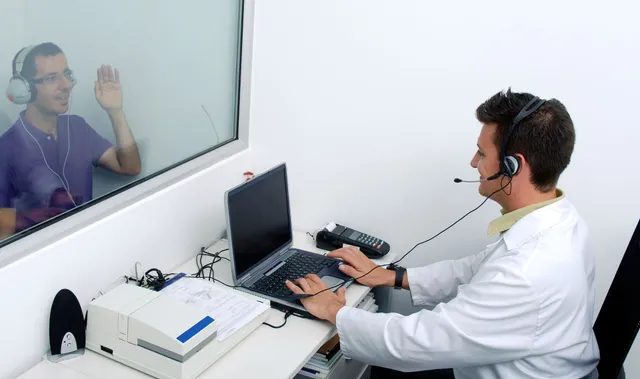
What's included
A thorough, four-part assessment.
Case history review
We will discuss your hearing concerns in detail, including specific issues you've noticed, and explore your medical history and relevant conditions and examine any past exposure to loud sounds while considering lifestyle factors like your occupation and hobbies to understand all elements impacting your hearing health.
Pure tone audiometry
You will hear a range of tones at different frequencies (pitch) and volumes via inserts or headphones, allowing us to construct a comprehensive graph of your hearing capability across all sound ranges.
Visual Examination
Our hearing care professional will examine your ears using an otoscope to check for earwax buildup, infections, or other issues that could impact your hearing.
Tympanometry (Middle Ear Function test)
We'll test how well your eardrum moves, checking for problems in your middle ear that could affect your hearing.
Frequently asked
Common Questions We Get
Have more questions? Book an appointment with us today.
Request Your Appointment TodayAnyone who struggles to hear conversations, turns up the TV volume, or asks others to repeat themselves should book a hearing test. Adults over 50 are also encouraged to have their hearing checked regularly, even if no obvious problems are present.
When Sounds Grow Muffled, It's Time to Take Action.
Struggling to follow conversations? A hearing test could be the first step toward clearer communication.
Request Your Appointment